
What supplies do I need to buy for my new puppy?
Disclaimer: I’ve put together this resource to make shopping for your new puppy as easy-peasy as possible. I receive a small fee for each purchase (thank you!), but it doesn’t affect any product prices.
What supplies do I need for a new puppy?
"Oh, my gosh! What products do you recommend?" I hear it almost every day from slightly panicked new puppy parents, and I don’t blame them; the choices are truly endless and confusing to say the least.
Hopefully, I have the simple answers you need below. From puppy food to crates, from playpens to grooming tools, these are the tried and tested products that will help you raise your puppy with the least amount of fuss over products that don’t perform as you need them to!
While written with small breeds as the primary focus, the tips apply to puppies of all sizes. As for product recommendations, Amazon and Chewy make it easy to size up or down as needed; for example, to accommodate a Cavachon, you will want an overnight crate size of about 24” in length for the average 5 to 8-pound puppy of that breed.
If you have a Golden Retriever puppy who is weighing in at 16 pounds, you’ll want that overnight crate to be roomier, keeping in mind that as your large breed puppy grows, you will need to replace the puppy-sized crate with a larger one or buy a crate with a divider to allow it to grow with your puppy.
If you have a Bernedoodle or a Golden Retriever puppy, 36” to 40” long makes more sense. Keep in mind that, within reason, too large is better than too small, though if your kennel is really enormous, it can result in giving your puppy the option to potty at one end and sleep at the other. If your little hoodlum tries that strategy, moving temporarily down to a smaller-sized kennel is the best fix.
The average trip to the local pet emporium can be mind-boggling. New puppy owners often have a long list of what they think they need for their new puppy. Yet they come home only to find they've forgotten some of the most essential items, or, worse yet, have spent a small fortune and ended up with a host of incorrect or ineffective products in place of what they really needed.
Here is a comprehensive list of low and higher-budget items, all of which will make navigating life with a new puppy so much easier, simpler, and (nearly) stress-free!
Keep in mind that you can pick and choose to a certain extent, but having the right tools from the very beginning of your journey as a new puppy owner will save you hours of time and much trouble retracing your steps back to the most practical and effective puppy products on the market.
What size crate should I get for my puppy?
This is such an important question, and one that’s easy to go astray on. Of course, the breed of your dog and its eventual grown-up size are considerations, but keep in mind that one size doesn’t fit all. You’ll need a smaller crate for your baby dog, and if, as a grown-up canine (not all dogs use a crate their entire lives; it depends on your preference), you still want to use a crate, then by all means buy a grown-up size for your pet.
Please don’t make the common mistake of ordering a crate without carefully measuring. Most importantly, please don’t make your puppy stay in an undersized crate! Many online descriptions of the proper size for purchasing a kennel are way off. For example, I just found a listing for a 30- to 50-pound dog supposedly able to fit into a 32 x 22.5 x 24-inch crate; entirely too small to be comfortable for a dog approaching 50 pounds.
When in doubt, go up a size. If your puppy uses one end to go potty and the other end to sleep, block off the back half of the kennel (which is why it’s important to purchase the option with the divider) until he grows large enough to stop being silly.
Too small a kennel can cause all kinds of resistance to the kennel and even make your puppy hate his crate, sometimes with good reason. You’d be claustrophobic, too, if someone shoved you into a space you could barely stand up in.
Your puppy should be able to stand up with several inches of clearance between his head and the top of the kennel. As for length, I size my puppies' crates to be twice their body length. For example, my 6-pound puppies go home with a 24” long kennel. Still small enough that they don’t use it for potty time, but roomy enough to be comfortable, and not so small that they outgrow it in a few months.
This resource is written primarily with small breeds in mind, but the basic rules apply whether you have a Chihuahua or Bernedoodle. Crates and playpens are essential tools in your puppy toolkit for the fast track to house training, protecting your possessions from tiny teeth, and giving puppies a safe place to be until they are mature enough to get access to the whole house.
When used properly, they can become your puppy’s designated den, resting spot, and play areas. You’ll eventually be able to leave the crate door open, and your now grown-up and housetrained adolescent puppy will use his kennel as a cozy bed.

Crate & playpen training will help make life with a new puppy go so much smoother. Puppies need boundries, keep their world small until they learn how to be sensible canine companions.
Which crate is best for house-training my puppy: wire or plastic?
Often it’s best to have both on hand; the wire crate is less portable and will live in your bedroom in the early days after your puppy’s arrival. The plastic Petmate kennel below can do double duty in the car (until your puppy is old enough to sit in a car seat) and be a helpful option if your potty training efforts run off track. (I’ll explain below : ).
MidWest iCrate with double doors & divider
Wire crates are moderately priced and a good value, with a size for the smallest to the largest breed puppy. The goal is a crate that is small enough to keep your puppy clean overnight but not so cramped as to be uncomfortable. I like the Midwest iCrate for several reasons:
SO IMPORTANT: This crate comes with a divider; most do not. A divider will be your lifesaver if your puppy decides to use half of her crate as a convenient potty spot during the night. It’s easy to get the wrong size kennel, and the divider solves the problem nicely and allows you to adjust the size as she grows.
Simply reduce her space to about half, making sure she can lie down comfortably. (Other tips and helps for when your puppy thinks her kennel is her bathroom are in the Puppy Potty Problems chapter. 💦 )
Again, you can allow your puppy the full length of the crate as long as she stays clean at night. If she has accidents, temporarily move the divider to make her space smaller.
Two doors for easy access.
Single latch front door, no fumbling in the middle of the night trying to hurry and get a puppy out quickly for a midnight potty event.
It’s well-constructed, with rubber feet that protect floors, and there's a lot to like about this crate. At last check, it had almost 15,000 4.7-star reviews!
Remember, please use a small crate like this one mainly for sleeping quarters at night. Short periods of daytime use are OK, an hour or two tops, any longer daytime crating needs to be done in a larger space like one of the more roomy playpens listed below.

Best Puppy Crate for Travel & Optional Daytime Use *
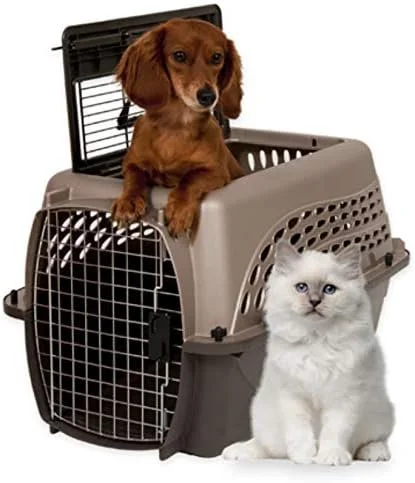
Petmate Two-Door Plastic Pet Kennel, Top & Front Loading,
So look carefully at this nifty little crate as an add-on to the wire crate. It’s a much more portable option, and it’s worth having both. You’ll appreciate the easy-access top-load door, the wide opening, and the nicely squared-off proportions; I don’t want to see a narrow or round-top kennel, which would result in a tighter/uncomfortably constricted interior for your puppy.
A great puppy crate, useful for both travel and overnight sleeping. The top door is my favorite feature of this kennel and makes it easy to lift your puppy in or out with minimal fuss. Use the top door when placing your puppy in or taking her out of the crate. The metal top door is a bit fiddly and tends to plop down, so hold it with one hand while guiding your puppy, hind feet first, down into the crate. I’m making it sound difficult, but it’s super easy with a bit of practice.
*** Note: If you find that your puppy doesn’t go potty when you take her outdoors, or occasionally has accidents when you bring her back inside after an unsuccessful potty break, try placing her in this smaller kennel randomly instead of giving her access to her larger playpen.
After 30 minutes, take her back outside for another try. Sometimes, just keeping a puppy guessing if she’s thinking, “I’ll just wait until I get back in the nice warm house and go potty in my playpen!” If she finds herself in PUPPY ALCATRAZ, aka the smaller crate, she’ll quickly connect the dots and decide she’d better go the the bathroom while she’s in the great outdoors!
Best Indoor Playpens for your puppy.
An indoor playpen is your new best friend when house-training a puppy. Puppies need boundaries, and a playpen keeps them safely contained and away from carpets and other areas you don’t want your puppy to have access to. You can spend a little or a lot. Take your choice, here are three of the best puppy playpens on the market!
Iris USA 24” 6 or 8 Panel Dog Playpen
A budget-friendly choice, well-made and sturdy for the price. Keep in mind that some puppies can scale the 24”; the next taller option is 34”, and it is a good choice for puppies over 8 pounds and up to about 15 pounds.

Option 2: Indoor Playpen for your puppy.
Here is another excellent choice that offers a convenient way to incorporate a potty area for those in a high-rise in Chicago or who need to configure their playpen differently.
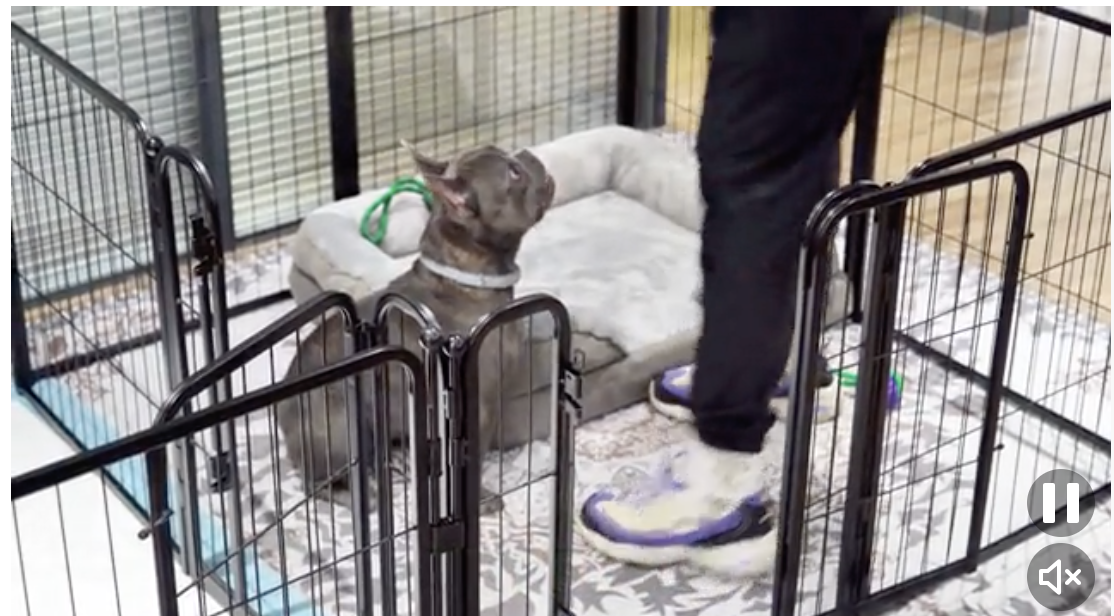
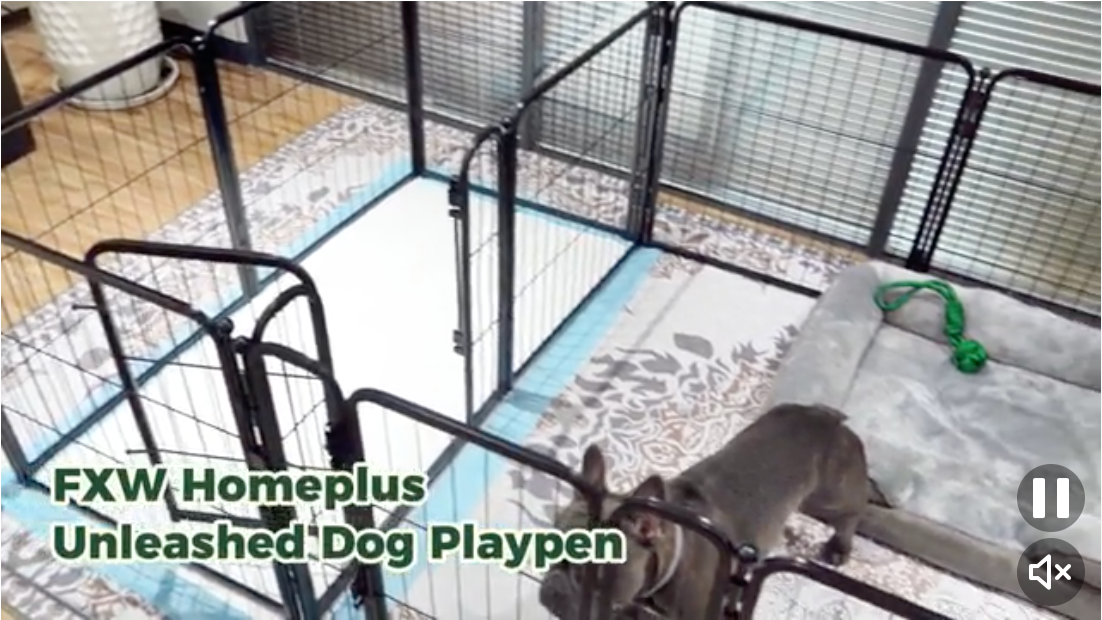
FXW Homplus Unleashed Indoor Playpen
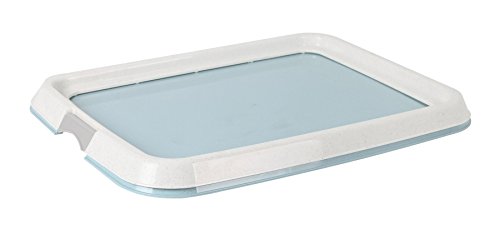
This puppy playpen includes a helpful video (at last check on Amazon) that shows how to create a small potty area, completely separate from the sleeping/play area. I’m not typically a big fan of potty pads, and instead of laying them directly on that lovely mat in the pictures below, I would use a pee pad holding tray to create a clear separation between the fabric surface and the “ok to potty on” pee pad.

Option 3: Best indoor puppy playpen.
This handsome setup allows your puppy to view all the happenings outside of Puppy Alcatraz, potentially making for a happier puppy who doesn’t feel so isolated.
North Star Home Clear Acrylic Playpen
A modern and extremely functional way to corral your new four-footed family member. A customer sent me pictures of it in her gorgeous mudroom (loved the brick floors, Kristin!). Fairly pricey, but it might well be worth it!

Best indoor puppy potty setup. Puppy Pee Pads & Holder
Again, I feel using indoor pee pads can sometimes slow the housetraining process and confuse puppies. The whole goal of house training is to help your puppy understand that going to the bathroom is only supposed to happen when she’s outdoors...
Still, you have my permission to go this route if you’re in a high-rise in NYC, or in areas with bitterly cold winters, this is a sensible middle-of-the-night way to allow your puppy to go potty without navigating your puppy onto an elevator at two in the morning (or outdoors in a howling snowstorm)!
And, bless their small hearts, I think the average smartish puppy is able to learn that when there is a handy dandy pee pad available, it’s OK to use it, and when the pee pad disappears, the only proper “spot” to go is outdoors. It’s a learning curve for sure, but dogs are fairly brilliant if their owners are good teachers, so give it a try if it will make life with your new baby better for both of you.
Clear Acrylic Puppy Playpen (two-section).
If your space and budget allow, this Clear Acrylic Puppy Playpen with a separate potty area from your puppy's sleeping area will mimic what his mother taught him (we don’t go to the bathroom where we sleep). It will encourage her natural tendency to find the area that is potty-approved.

Pee Pad Tray Holder for Dogs - No Spill Raised Lip High Edge Silicone Mat
First of all, let’s use a pad holder to keep liquids inside the tray and off your beautiful hardwood floors. An extra layer between the pad and the floor is a good idea and will help prevent spills if your puppy misses the target.

Earth Rated Max Absorbency Puppy Pee Pads
I prefer the adhesive to keep the pads stationary. Puppies love to grab anything that could be a potential toy. I think this version is a bit less attractive and not as enticing as the typical white-and-blue flimsy puppy pee pad offering on Amazon.

Washable Pee Pads for Dogs, Stylish, Non-Slip and Leak-Proof Pee Pads. Reusable Potty Pads for Dogs for Crates and Floors. (Beige/Multi, 36" x72" ) (Assorted sizes & patterns)
I’m really not a fan of the term “washable pee pad”,,, I don’t like the concept of a fabric layer that we encourage puppies to potty on… What I do like is a nice washable floor covering that protects your floors and IF your puppy potties on them, can be washed and no harm done.
Here’s a lovely, yes, washable floor covering for lining your puppy’s play pen. Ordering the two-pack would be a sensible choice. Just saying…
They come in assorted colors and sizes. Again, ignore the name. We do not want these to be large areas for bathroom use. We’ll clean misdeeds as they occur and show your puppy that the pretty patterned area is for show, not emptying out!
Note: Be sure to order the size to match the way you plan to configure your puppy’s play pen.

Best Outdoor Exercise/Potty Pens
These little "Ex-Pens" are WONDERFUL to have in your new puppy toolkit! I've used these from our first litter onward. Always handy when traveling to dog shows, going camping, or anytime I want puppies to be safe yet able to go potty and exercise a bit. They are inexpensive and indispensable for speeding up the house-training process.
If you are potty training a new puppy, this single item will make the process go so much quicker. Young puppies are often reluctant to use the bathroom on a leash. Of course, that comes with time. This little pen set up in the backyard, in a shady potty-spot, works wonders.
As one client recently told me, "It works like a miracle!" Enough said!
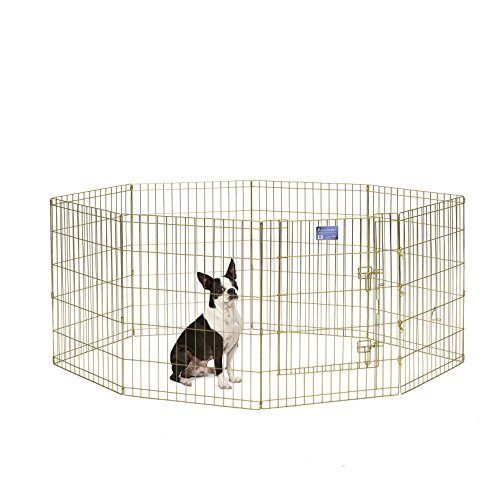
MidWest Foldable Exercise Pen
They are very quick to set up and fold down to a compact size for stowing in the car when you travel, moving to different sections of your yard, well-made, and budget-friendly.
You can connect two of them together, use the side of the garage or house, and have an instant, larger area “yard” for your new puppy. Potty training is so much easier when your puppy is free to do her business when outdoors. A collar and lead are distracting to young puppies, so much so that often your puppy will fail to potty properly because they are too busy scratching at that itchy new collar, until you come back indoors and she remembers that she had to “go”!
Yaheetech 16 Panel Pet Pen
A more substantial version of the outdoor puppy playyard. Over 10,000, 4.5 star reviews, a helpful solution when you need a fenced yard,,, quickly!

The Best Puppy Food & 2 Supplements I Use Every Day.
As a dog breeder who has spent decades and gone through sometimes heartbreaking trial-and-error learning how to keep her dogs healthy, I can bore you to tears with all the reasons I believe every dog needs a high-quality, low-heat processed puppy food and two basic supplements: a food-source multivitamin and a high-potency probiotic. In fact, I feel so strongly about it that our 5-year health guarantee is voided if my puppy's parents neglect this vital step in pet care.
Suffice it to say here that regardless of what even the best glitzy dog food package says about containing probiotics and “everything your pet needs to stay healthy,” I beg to differ. The probiotics that are sprayed on your dog's dry kibble sound like a nice touch, but will fail dismally to provide any reasonable amount of quality bacteria for your pet’s gut health.
In addition, the vitamins in virtually every dry dog food on the market are mass-produced and typically derived from chemical processes. I will make it easy for you; after searching for more years than I like to count, these are the two supplements that go home with every puppy we place.
NuVet Plus Pet Multi-Vitamin
NuVet Plus, I’ve used this daily with my dogs and puppies for over a decade. It helps protect your dog from everything from monthly (often toxic) flea-and-tick preventives to overvaccination.
I like that it uses food-source vitamins and health-supporting herbs, such as Cat’s Claw and Shark Cartilage. I’m always looking for natural solutions, and this is one of the best on the market today.
Easy to use, give one delicious chewable daily.
Order Here with Coupon Code 11982 for 15% off with Auto-Ship.

Ultimate 10+ Probiotics
A quality probiotic is so important for growing puppies and, for that matter, for adult dogs and people too.
You might look at this brand and shout, “Those are PEOPLE probiotics!” and you’re right. Probiotic strains and the potency of the product are what’s important.
Unfortunately, most probiotics labeled for dogs are pitifully low in CFUs (those all-important colony-forming units) and contain strains I try to avoid, like Enterococcus faecium, which can cause problems for the humans who handle them, eek!
Not only are many human strains of probiotics better for your pet, but they are also almost always more potent, fresher, and do a better job of removing tear stains, resolving loose stool, and most importantly, building a healthy immune system in your puppy and adult dog.

Best Puppy Food For Your Pet
Acana Wholesome Grains Sea and Farm Recipe
A most excellent new formula from Acana is at the top of my list of the healthiest foods for your puppy. You can thank me for doing the legwork for you in ferreting out the most nutritious foods available for your puppy or grown-up dog, too.
Finding the best food for your pet is not as simple as it seems. Just walk into your local pet emporium and have a look at the row upon row of shiny bags of dog foods, all claiming to be the latest and greatest food you can buy; I promise your head will start spinning after reading a half-dozen labels and trying to decipher which option is truly the most nourishing for your pet.
Sadly, dozens of ingredients are not only nutritionally suspect but, more alarmingly, pea proteins and sweet potatoes abound in almost all popular dry foods despite being linked to an alarming jump in heart disease and DCM in dogs that consume them (I’ll discuss this further below).
The jury is still out on exactly which ingredients are causing heart disease in dogs, but for the time being, I am avoiding peas, legumes, and sweet potatoes in both what I feed and recommend. The theory is that these seemingly safe ingredients bind with Taurine in the body, leading to a dangerous deficiency of this essential mineral for heart health.
Trying to find the best puppy food for their new puppy is perhaps the most confusing search the new puppy parent will make. If you walk through the average pet store, you'll be confronted with literally hundreds of varieties of dog and puppy foods. Unless you are well-versed in pet nutrition, use great caution in making that choice without some good advice along the way.
Once a puppy is past potty training, I like to use a combination of human food liberally added to a great-quality kibble for a 20-pound dog; I’d use a teaspoon of our scrambled eggs from breakfast, a tablespoon of roast beef from dinner, broccoli, cauliflower, and even a teaspoon of Keifir as an excellent way to increase the nutritional value of basic kibble.
Of course, during potty training, you’ll want to stick with just puppy food and a few daily treats (listed below) to avoid tummy upset; after that season, though, slowly begin to introduce other real foods and have a healthier and, yes, happier dog in the long term. How would you like to eat ONLY what comes in a boring bag for the rest of your life? My puppies and adult dogs adore their baby carrots; for example, I keep a bag in the fridge for healthy snacks that are especially good for teething puppies and satisfying the urge to chew.
Note: Please don’t look for grain-free options; the FDA issued alarming reports of dilated cardiomyopathy in large numbers in breeds where heart disease is uncommon, such as Golden Retrievers. Studies are ongoing, but suspected causes include a lack of Taurine and the inclusion of cheap legumes and pea proteins in many grain-free dog foods, as well as in a good number of grain-inclusive products.
I’m pleased with the science behind this food; it includes healthy grains, no pea protein or potatoes, and high levels of naturally occurring (not synthetic) vitamins, including Taurine from the high meat content in this brand of dog food. Personally, I suspect many dogs are now deficient in Taurine if they have been eating a grain-free diet for years.


Toppers for fussy eaters
My best advice is to proceed cautiously with adding to the Instinct puppy food or your kibble of choice, especially during potty training. Puppy tummies are sensitive, and even small additions of extras to entice appetite can quickly result in loose stool or diarrhea, not what you want at this stage!
The other problem is that your puppy will quickly learn that turning up her nose at her boring dish of kibble will result in Mom rushing to tempt her with a variety of interesting food choices that baby never dreamed existed. It’s easy to turn puppies into finicky eaters with that kind of program.
I recommend sticking to kibble and TINY amounts of Magical Dinner Dust or canned food (about one teaspoon per cup of dry food).
I’ll include an option for canned food if you have a puppy who is nonchalant about mealtime; I say reluctantly because most dogs are far better off never knowing that dog food comes in cans. The Magical Dinner Dust is an easier-to-use product and equally tempting, but very rich and again, can cause tummy upset if not used sparingly.
It’s not unusual for puppies to get bored with the same old food, just like other toddlers, but there are other ways to encourage a good appetite. You can try a teaspoon of scrambled eggs, plain yogurt, cottage cheese, or Kefir (a bit of lean sauteed ground beef or cooked chicken, stirred in well so your puppy doesn’t just gobble up the goodies and leave the dry stuff.
These are often already in your kitchen and can also help encourage appetite. While canned foods might seem convenient, many puppies quickly develop a preference for what comes out of a can, which isn't good for their teeth, and I suspect their digestion, either.
And, again, remember, it’s almost certain that when canned food is added too suddenly to a puppy’s diet, she can develop loose stool, not something you want in the midst of house training. 😬
If you have a toy breed puppy or a puppy prone to spikes and drops in blood sugar, such as a Chihuahua, Maltese, or Yorkie, having a few cans of puppy food on hand isn't a bad idea. Sometimes it's the only way to get a finicky puppy to eat, but proceed with caution, add just a small amount at a time, and only if you must.
A few more thoughts: yes, this canned food option is grain-free. I’m OK with that, as this brand doesn’t offer a grain-inclusive canned option. You’ll only be using a minimal amount, and the Instinct kibble is well-balanced.
Also, do order the small-size cans, you’ll find that even if you refrigerate the leftovers, they become quite unpalatable once chilled. You’ll find yourself offering a fresh can at each meal, like I said, only if you must start this path. There are real food options in your fridge that are much better choices in 90% of cases.

My favorite puppy training author.
Your most urgent task as a new puppy owner?
Learn everything you can about training your puppy from the right sources so you’ll have the know-how to help your puppy navigate her puppyhood with the least amount of drama (and frayed nerves).
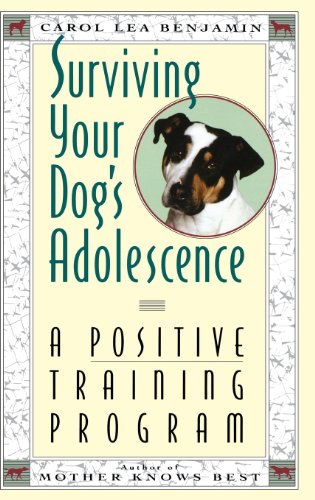
Carol Lea Benjamin remains my all-time favorite writer of puppy and dog training books. She's funny and so very readable. Her books are illustrated with comical canines that help keep readers turning the pages.
While her methods are extremely gentle and positive, she also knows that "100% Positive Dog Training" isn't always logical or effective. Puppies need boundaries, and they need to learn about loving leadership. Carol writes with grace and wit, and she knows dogs! Classic handbooks, and well worth reading!


Dog Stories for all ages.
My love for dogs and the lifetime I’ve spent with them was kindled when I was just a girl, Lad A Dog was one of the first dog books I read. If you have a dog-loving child, it is a must-read.
For something to peruse while you're snuggling on the couch in front of the fire with that new puppy, here are two of my favorite authors: Veterinarian James Herriot's books, set in England during the 30's and 40's, are at times hilarious, heart-wrenching, and just great reading for animal lovers!
I cannot neglect to mention Jan Karon and her Mitford series. Abounding with canine humor, I give five stars to one of the best storytellers in America!


Let’s say you are going out every hour or so during the day and the successful potty events are piling up 😃 maybe the new addition is thrilled with coming when you call or has figured out that that means quite a few edible rewards and that’s when problems can arise.
Some treats are too rich and can upset delicate puppy digestion, the last thing you want to do during house training.
Puppies can fill up quickly on snacks, just like kids, so you want to keep treat size tiny but delicious.
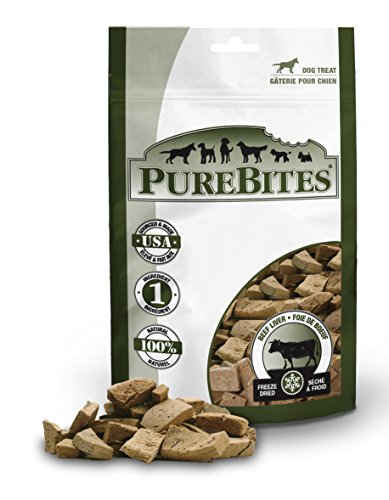
High-reward treats like Blue Buffalo Bits are a real puppy favorite, but I recommend alternating them with the slightly less rich PureBites liver treats to keep puppies guessing and still happy about the reward choices. This link will take you to several sizes. The 4-ounce size is sufficient for small breeds, and the 12.3 will last much longer for larger breeds.
Just remember, don't let your puppy fill up on treats, even nutritious ones. Use them sparingly as an earned reward to help speed along house training, etc.
The Blue Buffalo Bits treats are so delicious (unanimously voted #1 by our puppies!). Keep a few of them in your pocket so you’ll have them as a timely reward for all good puppy behaviors, coming when called, going potty outdoors, when you put your puppy in her playpen ect. (Like any snack, they’re filling, and at dinnertime, your puppy won’t be hungry!). These are an option that works well for the recall (and potty training!) They’re tiny, and you can keep a few in your pocket to have just at the moment you need them.
Puppy Potty Supplies
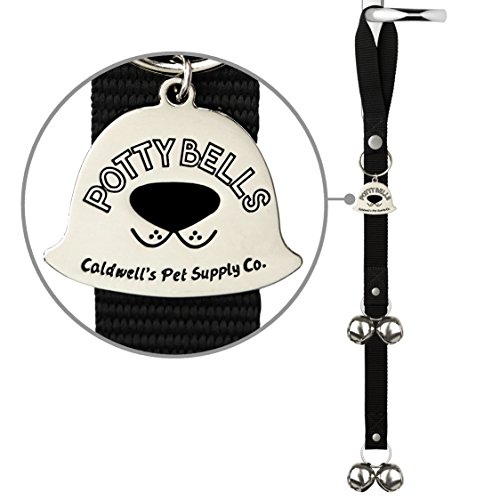
Be sure that you have a good quality stain and odor remover before puppy comes home. Rocco & Roxie make a great product. You want an enzymatic cleaner so the accident odors and stains are completely removed, not just covered over!
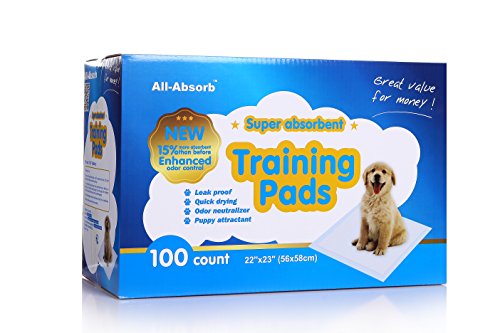
For those Puppy People who need an indoor potty option: If you've read my book on Puppy Training 1o1, you'll know that I'm not typically a fan of teaching a puppy to use pads in the house. I understand there are exceptions to every rule, so here are a few choices if you decide that it's necessary; in spite of the Puppy Diva's disapproval!
My Favorite Lineup of Puppy Potty Cleanup Sprays, Enzymatic Carpet Cleaners, SEP & more:
If you don’t buy anything else, get a two-pack of my favorite cleaner ever, BioKleen Bac-Out Spray, not just for pet stains, it’s my go-to for everything in the house that I want to disinfect without using Lysol or other scary toxic cleaners. Especially needed for those rash puppy people who ignore Puppy Rule #4 (Puppy is not allowed on the carpet until completely house-trained, OR briefly when "empty" and tethered to a responsible puppy attendee):
Just get a bottle! Trust me, you'll need it. It will make any indiscretions, on the part of your puppy, a thing of the past! I love this cleaner! It’s safe and powerful, leaves a pleasant fresh scent and it works!

Being Flea Free Naturally

Controlling fleas and ticks while avoiding the dangerous chemical options at your veterinarians office isn’t easy but don’t despair, it’s easier than you think with the right set of products. It’s worth the effort to avoid the scary long-term effects of monthly insecticides, for your pet’s sake, not to mention for the safety of everyone who comes in contact with them.
By the way if you think those flea drops are safe once they dry think again…
Neither of these precious little ones should ever be exposed to toxic flea control products!
"People can be exposed to Fipronil, (Frontline, Sentry etc) a suspected carcinogen when they pet an animal that’s received a treatment. Fipronil persists for at least 56 days on pets..."
Murray State University Study
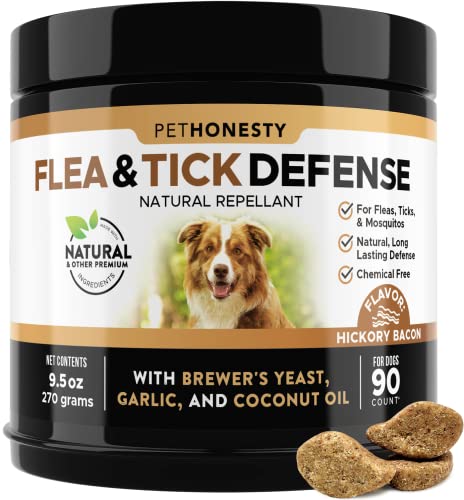
Two products to keep your dog pest free naturally. So what can you do to keep your dog flea & tick-free? Start with a daily chewable supplement that provides a healthy dose of garlic. Yes, garlic is safe for your dog.
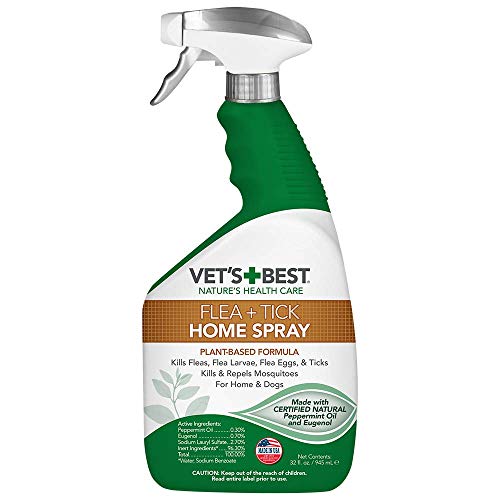
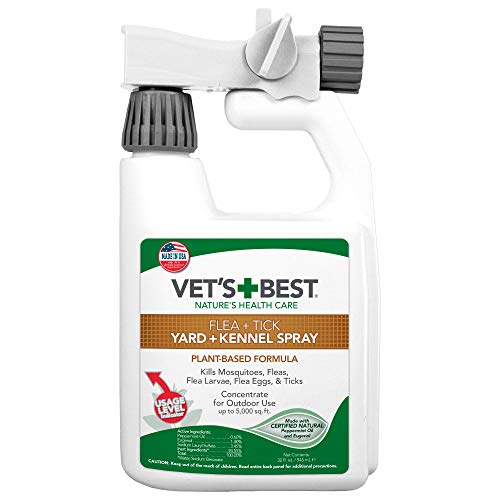
Vet’s Best Flea & Tick Home Spray I'm a big fan of Vet’s+Best products and their natural and safe options to deal with everything from mosquitoes at your barbecue, to flea and tick control on the family pets. They have a spray for your pet and another for your yard. Keep in mind, these are not nuclear weapons and will require faithful use to be the most effective.
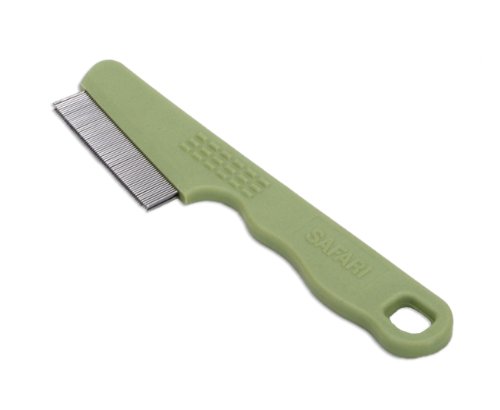
Flea Comb
You’ll want a flea comb on hand. It's a super helpful and low-tech way to pull fleas out of your dog’s coat; you won’t know how much you need it until you don’t have one. If (when) your dog comes up with fleas, the dastardly creatures are nearly impossible to pluck away (during a bath is when you’ll want to try), this handy dandy little item will drag them screaming for their lives from your dog’s coat. What to do with them after capturing is up to you, but a mason jar filled with soapy water will send them to a watery grave. Show no mercy! : )
Best Toys for Puppies
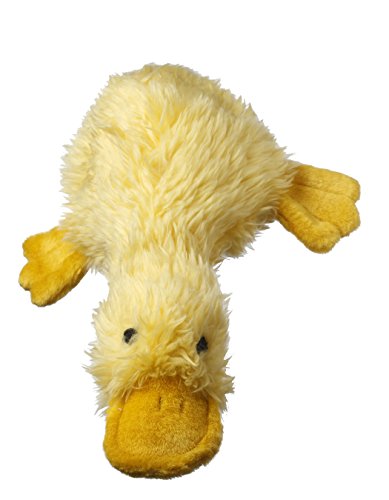
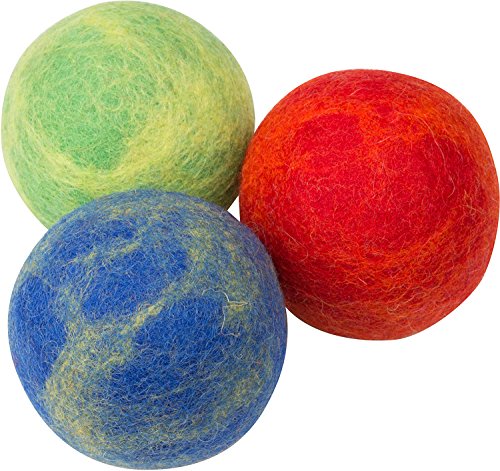
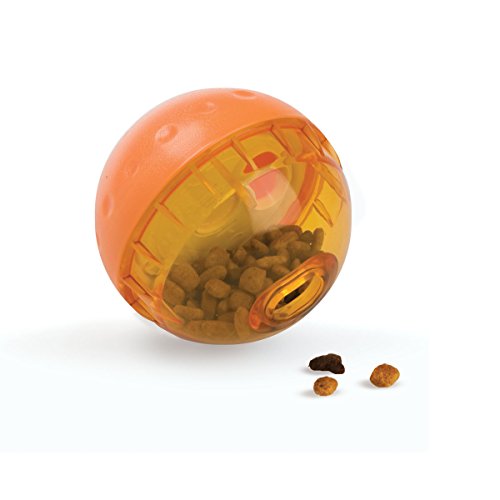
Of course you need lots of toys for that new arrival. A good selection of toys will mean your puppy has safe options and will give your puppy both safe and fun options (perhaps instead of choosing your new area rug).
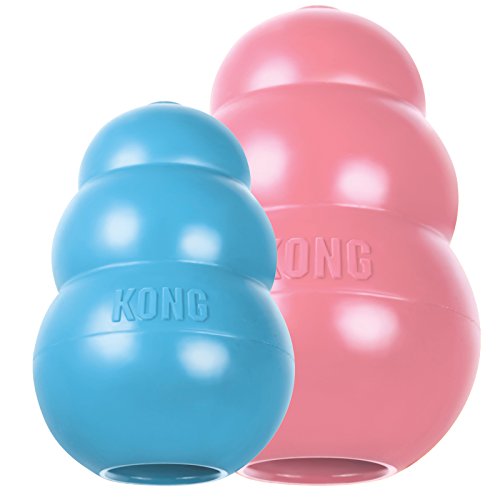
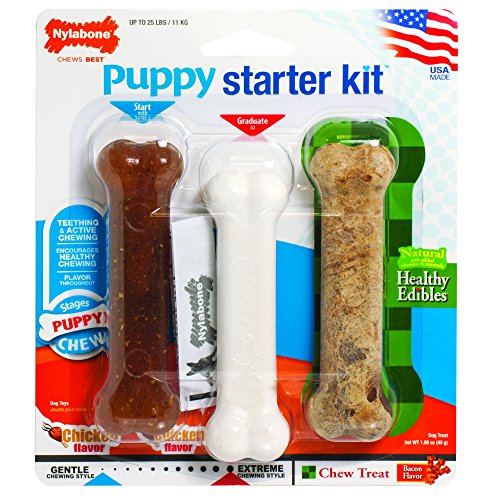
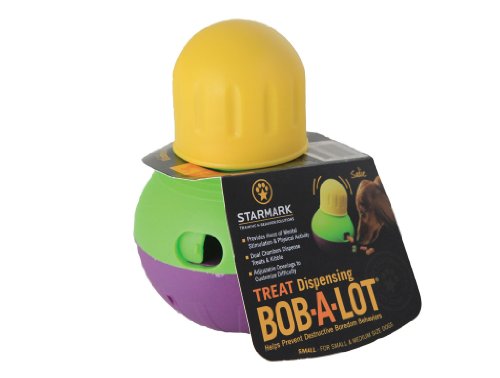
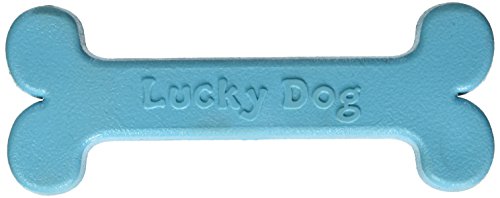

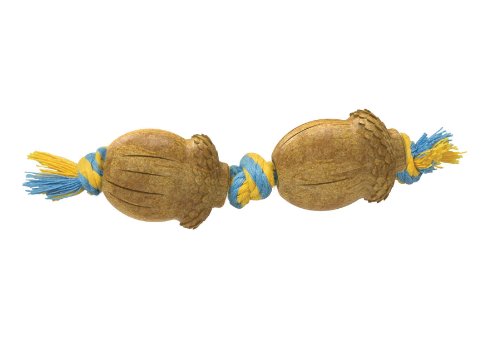
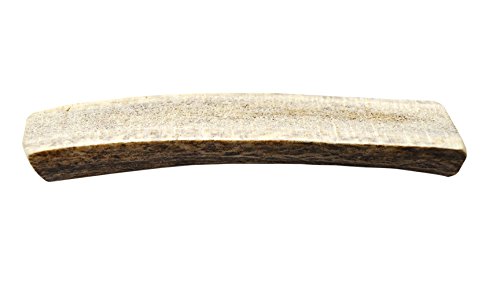
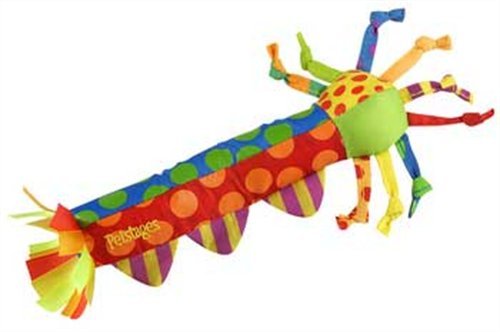
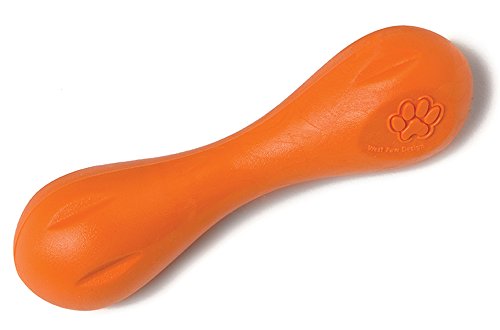
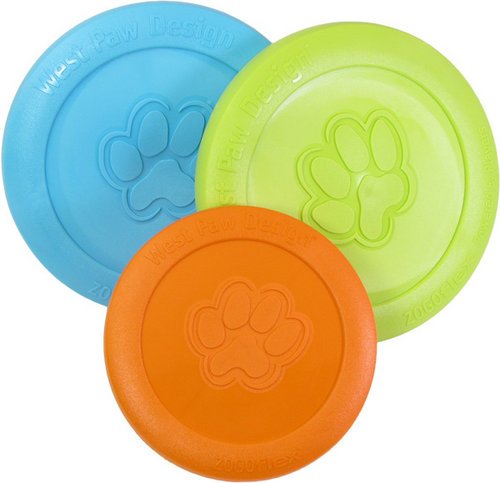
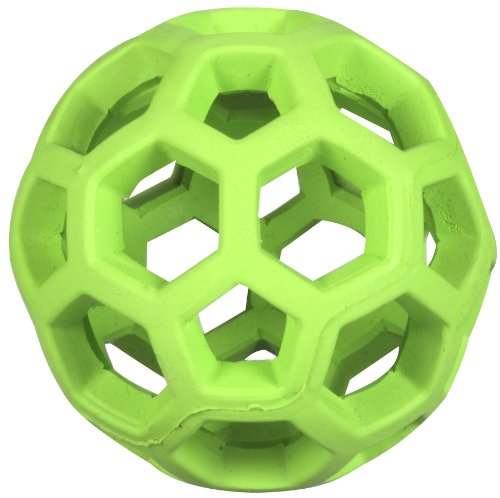
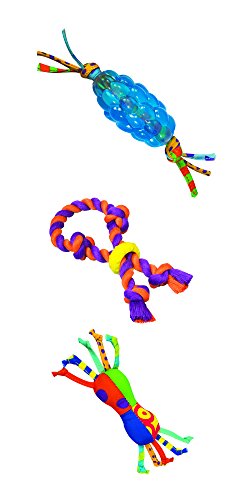
Don’t forget the plush toys, my dog adore these!
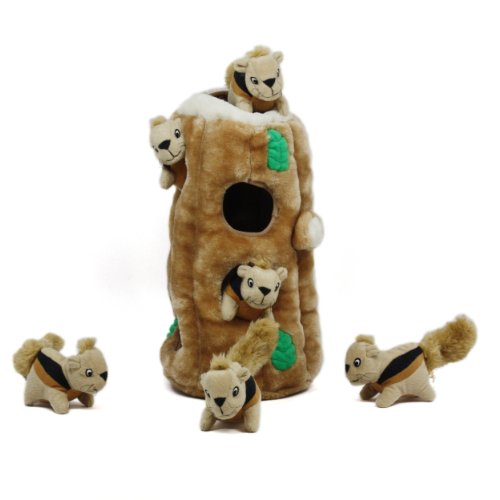
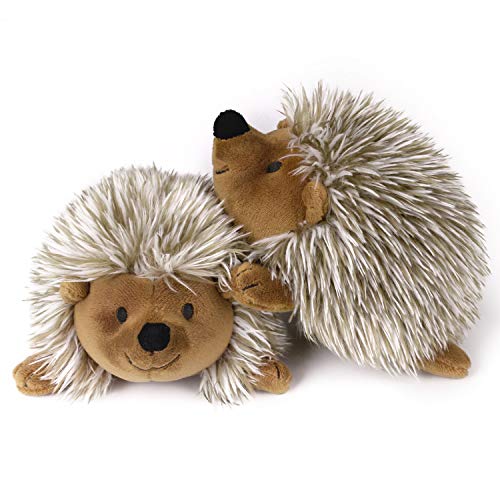
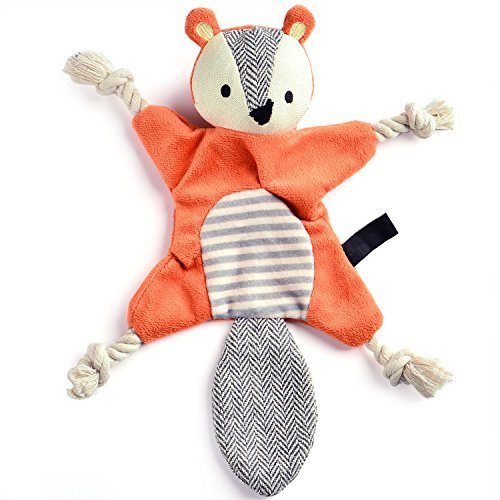
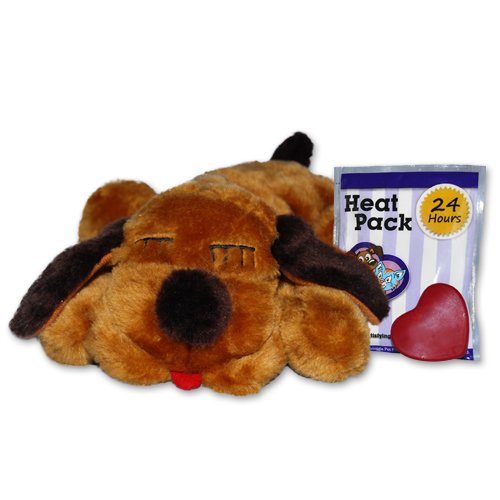
Puppy with a heartbeat Crate Training companion. Some puppies are extra lonely during crate time, this is a soothing way to comfort with the soothing sound of a heartbeat (and a soft snuggly friend to sleep with doesn’t hurt either).
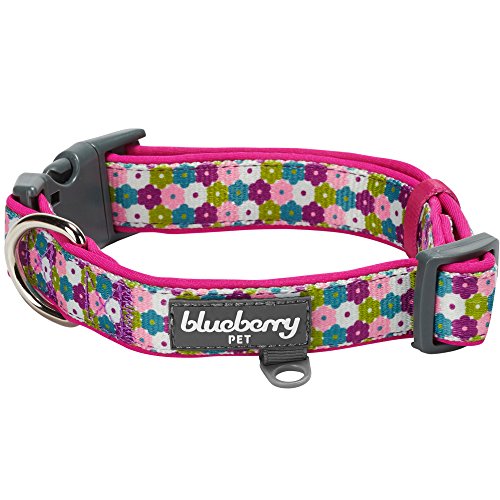
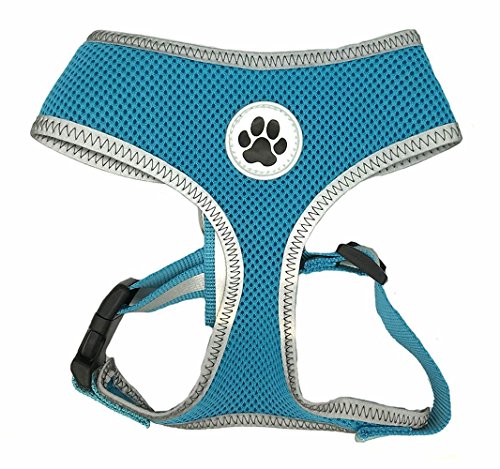
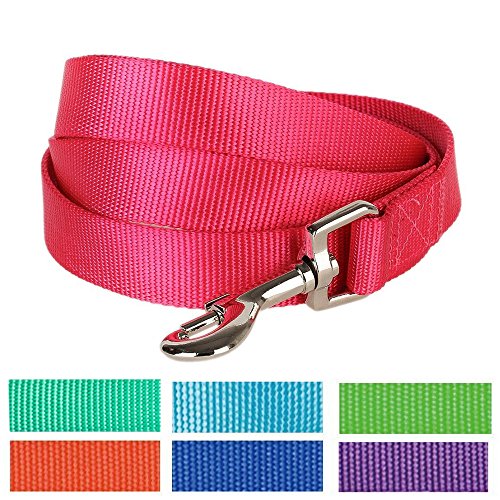
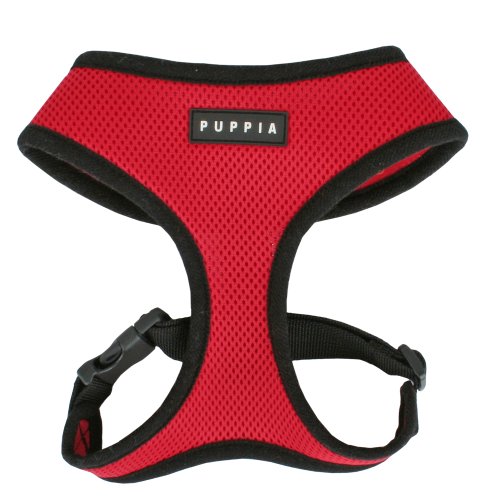
Puppy Leads, Harnesses, and Collars
Let me start out by saying that I prefer a lead and collar (yes, the proper term used by the doggie pros is "LEAD").
Harnesses are popular, and I'm OK with their use, as long as we don't turn our puppies into sled dogs. Using a harness can encourage your puppy to pull, that's why we use them on horses. You don't see them pulling wagons with collars on their necks; point made!
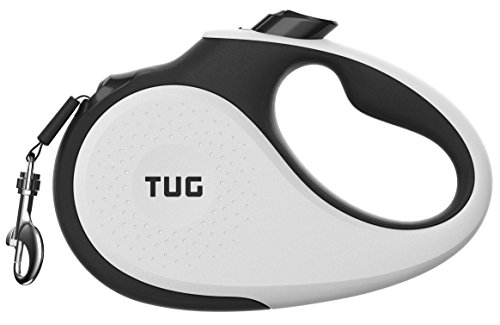
Best Dog Grooming Tools and Doggie Deodorizer
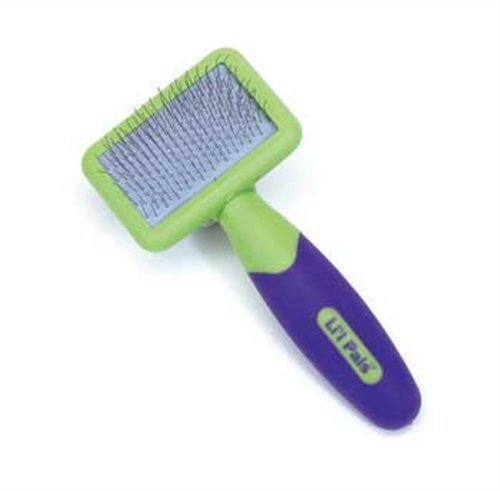

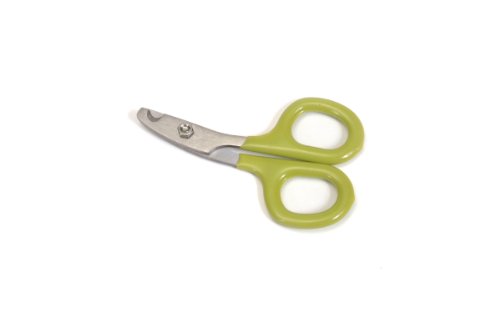

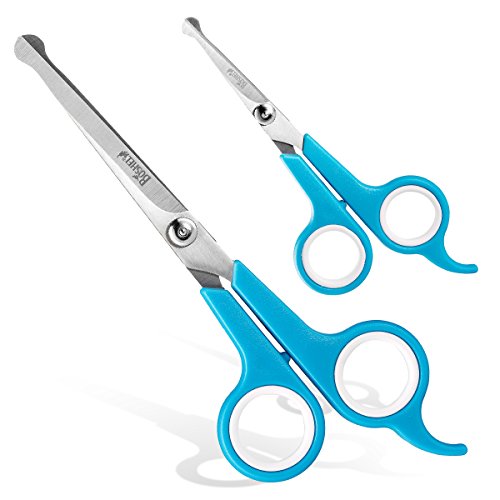

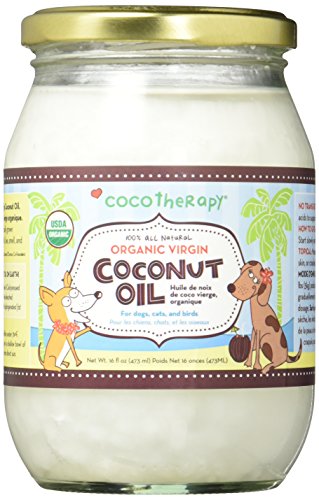
Coconut Oil For a Beautiful Coat
A rich source of medium chain fatty acids, coconut oil reduces shedding, cures itchy skin, eliminates bad breath, and eliminates parasites naturally. It's a wonderful easy-to-use product for daily canine health!